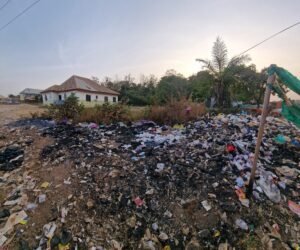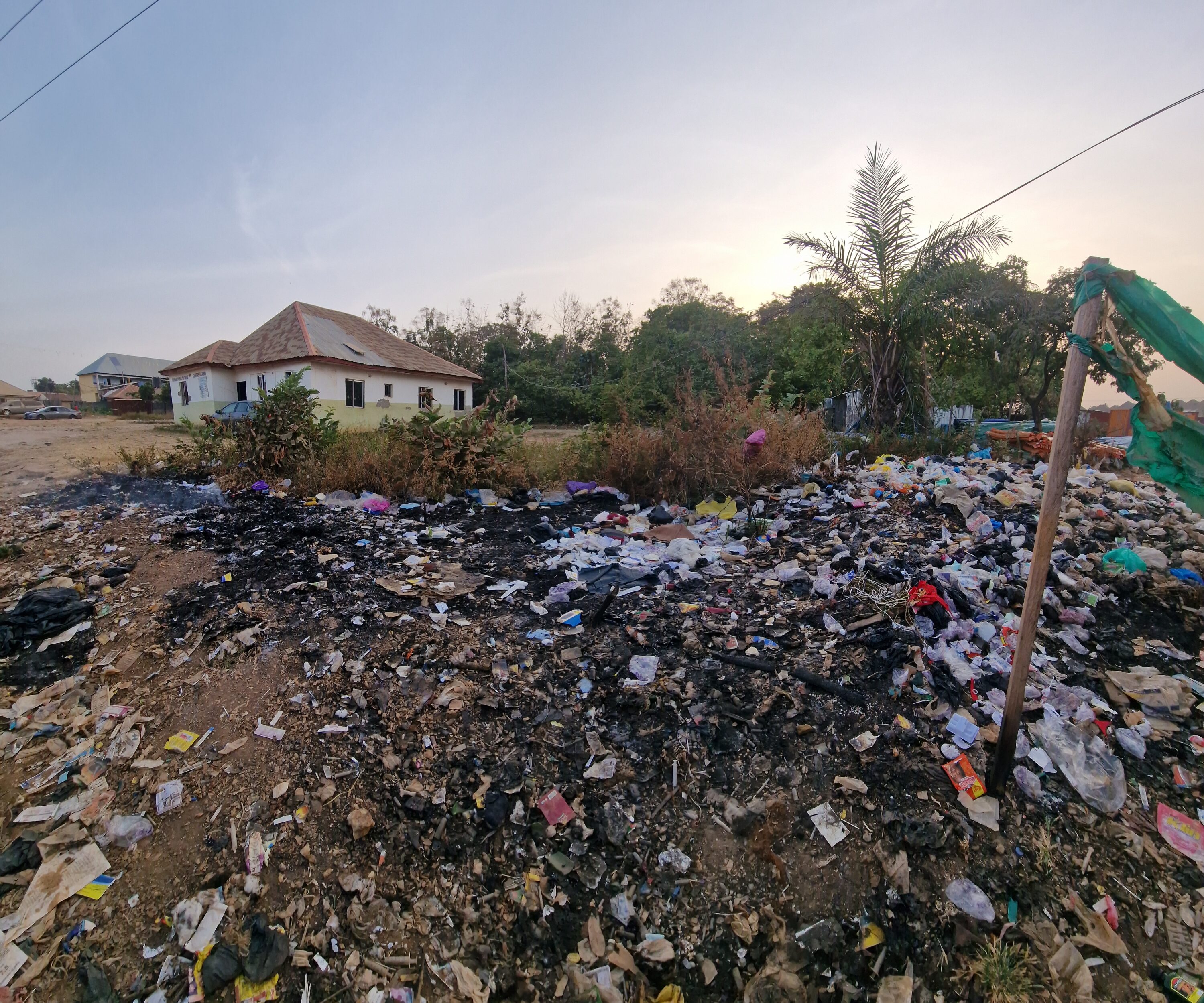
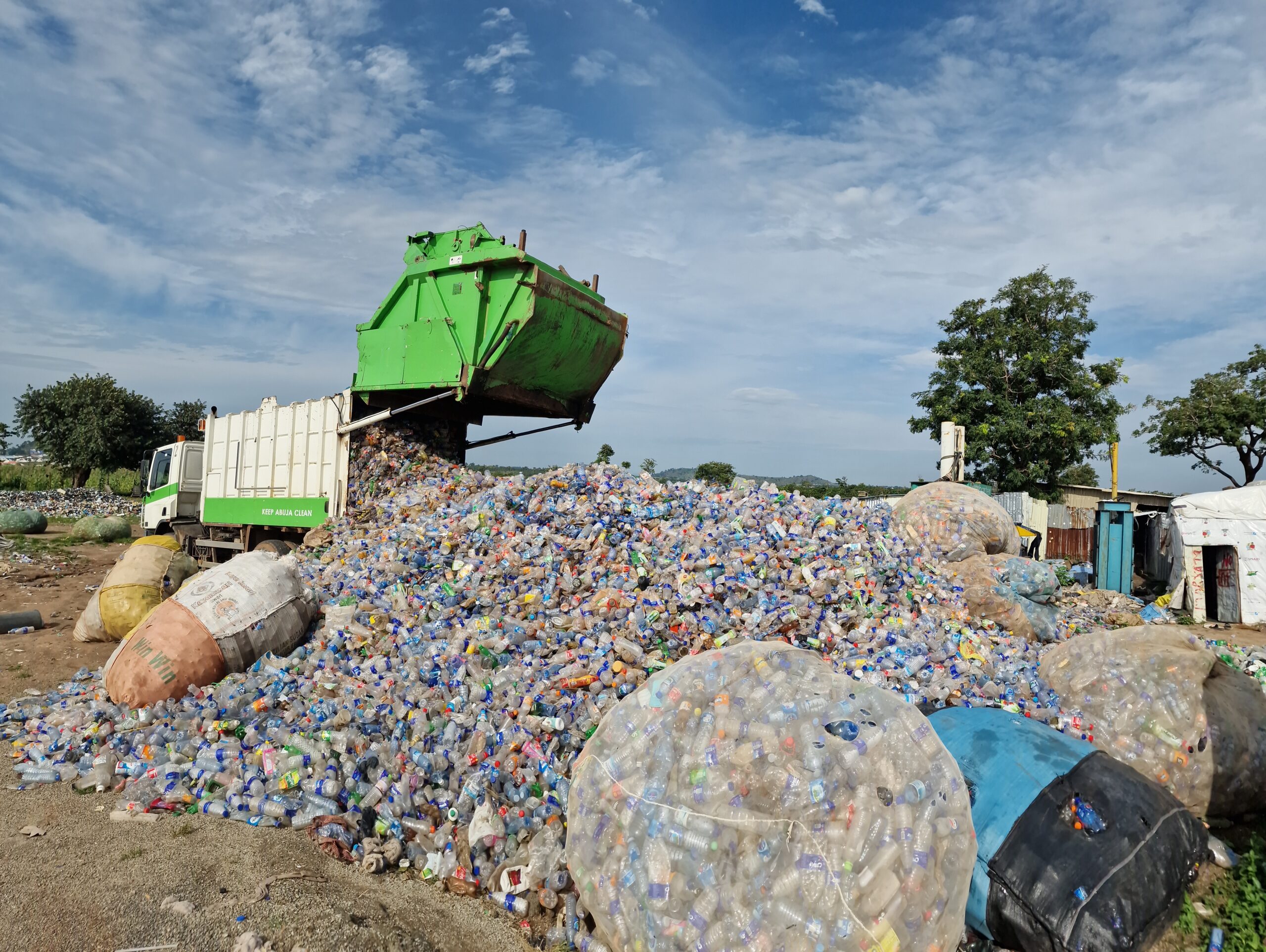
When we talk about waste management in Africa, we often think about environmental pollution; littered streets, overflowing dumpsites, and plastic-filled waterways.
But waste management in Africa is not just an environmental issue.
It is a public health crisis.
It is a climate issue.
And it is an economic issue.
Across the continent, nearly 90% of waste is dumped or openly burned, according to the United Nations Environment Program. This means that instead of being recovered and reused, waste is either left to decay in uncontrolled landfills or burned in open air.
The consequences are deadly.
Air Pollution: The Silent Killer
When waste, especially plastics, is burned, it releases toxic pollutants into the atmosphere, including fine particulate matter known as PM2.5. These microscopic particles enter our lungs and bloodstream, increasing the risk of respiratory illnesses, heart disease, stroke, and cancer.
The World Health Organization estimates that air pollution causes approximately 7 million premature deaths globally every year and Africa bears a significant share of this burden.
Waste mismanagement in Africa is not just dirty, It is deadly.
Flooding, Cholera, and Urban Vulnerability
The impact does not stop with air pollution.
Uncollected plastics block drainage systems in many African cities. When heavy rains come, floods follow. Floodwaters mix with waste, contaminating water sources and increasing outbreaks of cholera and typhoid.
According to UN-Habitat, poor waste management significantly increases vulnerability to urban flooding and climate-related disasters.
What looks like “just plastic” in the gutter can become a public health emergency during the rainy season.
Waste and Malaria: A Hidden Connection
Discarded bottles, sachets and blocked drains collect stagnant water creating perfect breeding grounds for mosquitoes. Improper waste disposal literally creates habitats for disease.
Every improperly disposed plastic container has the potential to increase malaria risk in surrounding communities.
Circular Waste Management as a Life-Saving System
This is why circular waste management is not just about recycling.
It is about:
- Removing plastics before they are burned.
- Preventing flooding by keeping drainage systems clear.
- Eliminating stagnant water breeding sites.
- Reducing air pollution.
- Reducing disease outbreaks.
Circular systems shift waste from being a threat to becoming a resource.
And importantly; they fight poverty.
Turning Waste into Economic Opportunity
Sub-Saharan Africa generates over 125 million tonnes of waste annually, and that number is expected to more than triple by 2050, according to the World Bank.
Yet waste is not just a problem, It is an opportunity.
When waste is given value:
- Youth gain green jobs.
- Households earn alternative income.
- Informal waste pickers become part of a formal circular economy.
- Communities shift from survival to sustainability.
Also circular systems do not just clean cities; they create livelihoods.
Driving Transformation Through Structured Circular Systems
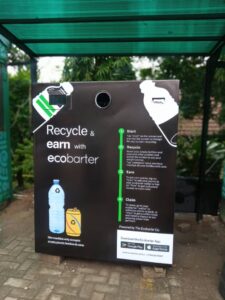
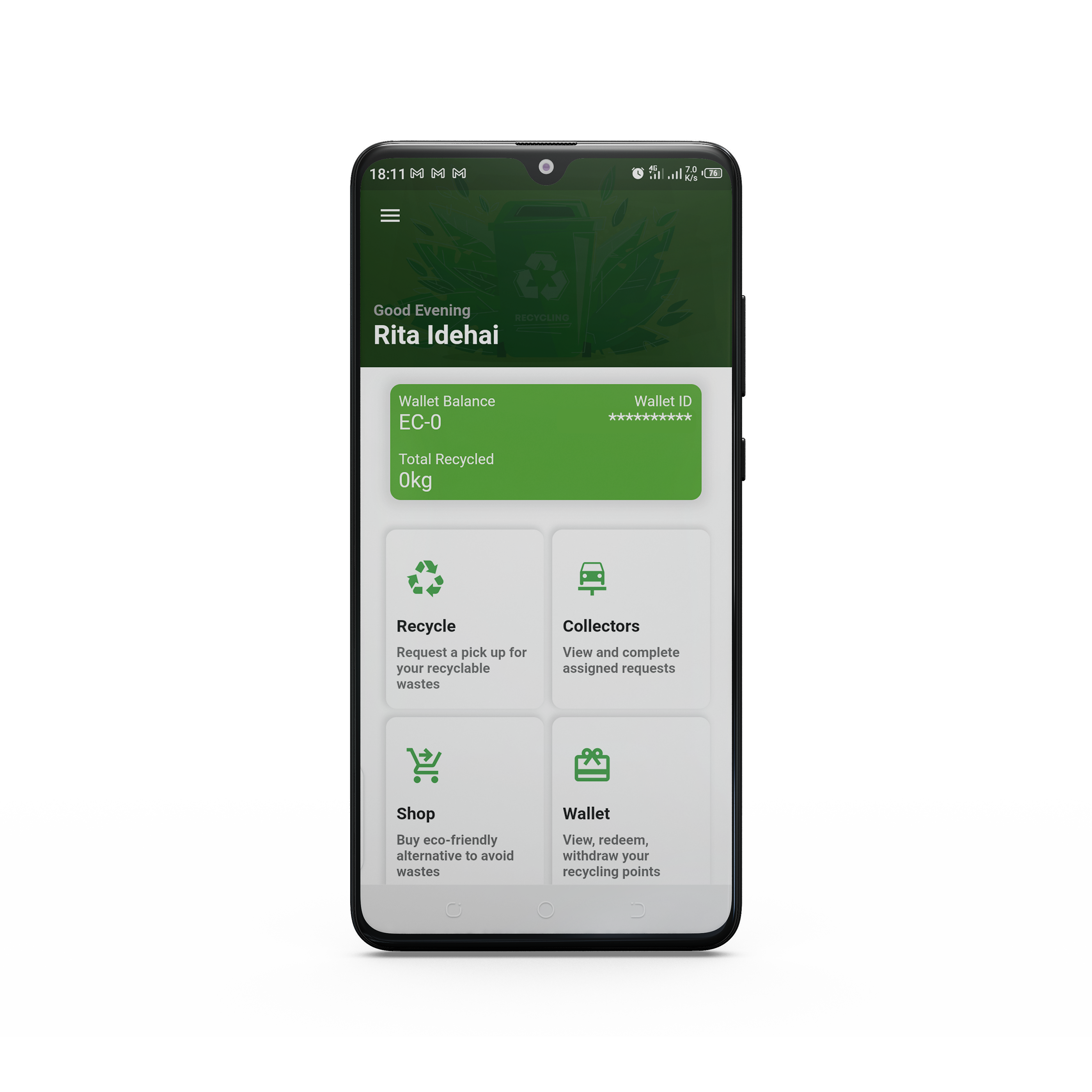
Through structured collection systems and incentive-based recycling models, we are reducing open burning, preventing plastics from entering drainage systems, cutting mosquito breeding sites, and converting waste into economic opportunity.
We are proving that environmental protection and economic empowerment can happen at the same time.
Circular waste management is:
- Climate action.
- Healthcare prevention.
- Poverty reduction.
- Dignity restoration.
Africa does not need to wait for solutions from elsewhere, we can build systems that protect our air, protect our water, protect our children and create wealth in the process.
Redesigning Waste, Redesigning Lives
When we redesign waste, we redesign health.
When we redesign waste, we redesign cities.
When we redesign waste, we redesign lives.
The future of Africa must not be buried in landfills or burned into our air.
It must be circular.